
It is probably premature of me, perhaps even somewhat rash, to choose this time to write about my next research project in Bamako. After all, the book manuscript stemming from my current project (on the city’s changing contours of marriage and gender relations) has languished for months in review purgatory. I began fieldwork for that project way back in 2010, a time when Barack Obama was all the rage among Bamakois and Al Qaeda seemed an incredibly remote threat. I have now spent over 20% of my lifespan studying marriage in Bamako, and as eager as I am to turn the page on this project, its publication prospects are hazy.
But, like Bill Murray’s character in “Groundhog Day,” I have come to the realization that I if I am ever to move on from something, I first have to let it go. The following manifesto is my bid to do that.
While I cannot yet foresee what my research will focus on, I am making the following four-part pledge, and I want you to hold me to it.

1. My research focus will remain on Bamako.
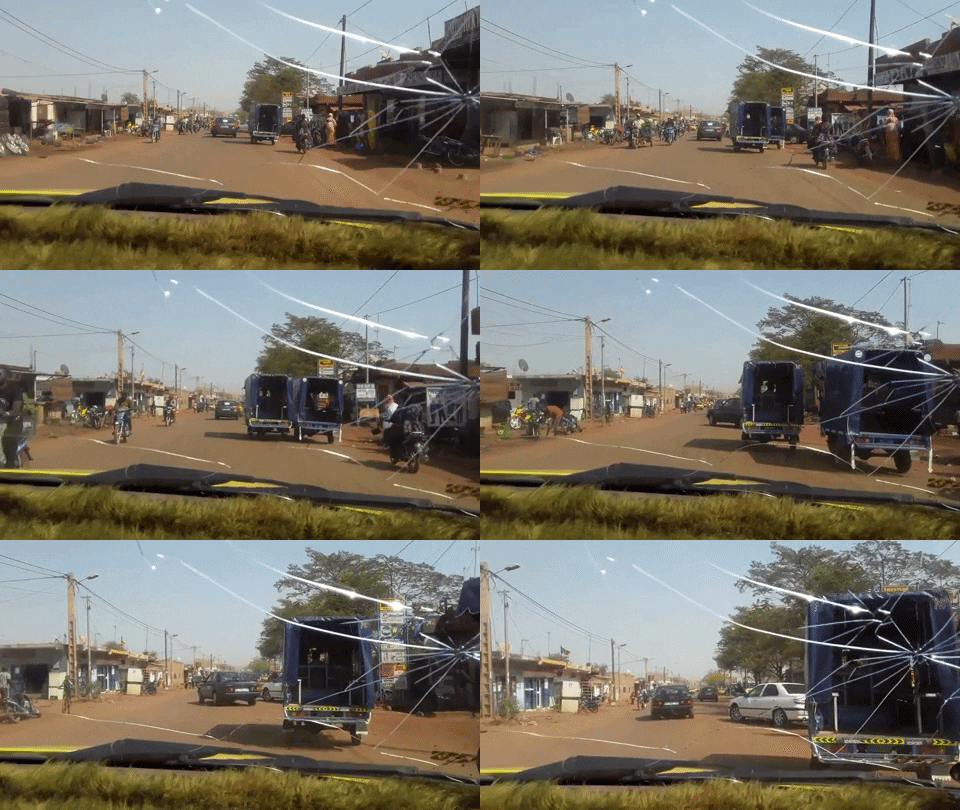
Bamako remains not only Mali’s largest city but one of the fastest-growing cities on the planet. Its unprecedented demographic, economic, and social dynamics call out for further study. As uncertain as it might be for an American to commit to working there in the long term, I will persist in conducting ethnographic fieldwork in Bamako for as long as I am able. I owe it to the Bamakois I’ve gotten to know over the years. And, let’s be honest, at my age it’s not easy to start over someplace else. (Perhaps this is my own personal “sunk cost fallacy.”)
2. My research will be collaborative.
In graduate school I learned to conduct solo ethnographic research; this is a true rite of passage for cultural anthropologists. Apart from a one-year postdoc under the supervision of two senior colleagues, I have never been part of a team of researchers. Over the years, I’ve come to understand the primary trade-off of “lone ethnographer” methodology: while it maximizes flexibility and independence, it also poses unnecessary burdens on the researcher. Working interdependently with other researchers can generate more connections, better insights, and more thorough review of my research while it’s underway. I hope to engage in collaborations across scholarly disciplines and national boundaries. Ongoing projects elsewhere in the region involving anthropologists like Sten Hagberg and Jean-Pierre Olivier de Sardan offer models for such collaborative research.
3. My research will be participatory.
A lot of social science research is “extractive”: when you’re a foreign researcher in a place like Bamako, you go in, gather your data, and leave without much positive impact on the people who agree to share their experiences and ideas with you. After you’ve finished analyzing your findings, you generally don’t present them to people of the community you worked in (most can’t read your publications), and even if you did, they might not see the point of it. Too much of my own past research has conformed to this model.
But there is an alternative approach, called “co-research,” in which researchers work with members of the community where they do their research to determine the problem or question to examine. Instead of the scholar’s customary “technocratic engagement” with the host community, co-research stresses democratic engagement. I don’t know if students are learning about this alternative in anthropology graduate programs these days; I certainly wish that I had learned about it 20 years ago.
4. My research will study pressing problems in the lives of Bamako residents.
This final plank of my manifesto follows from the preceding ones, and relates to the challenge of determining my future research focus. First as a graduate student and then as a tenure-track professor, I have enjoyed considerable freedom to study whatever I wanted. As long as I was able to convince various gatekeepers (my graduate advisors, grant funders) of the significance of my chosen topic, I could study whatever I wanted. It didn’t have to be oriented toward solving problems or informing policy.

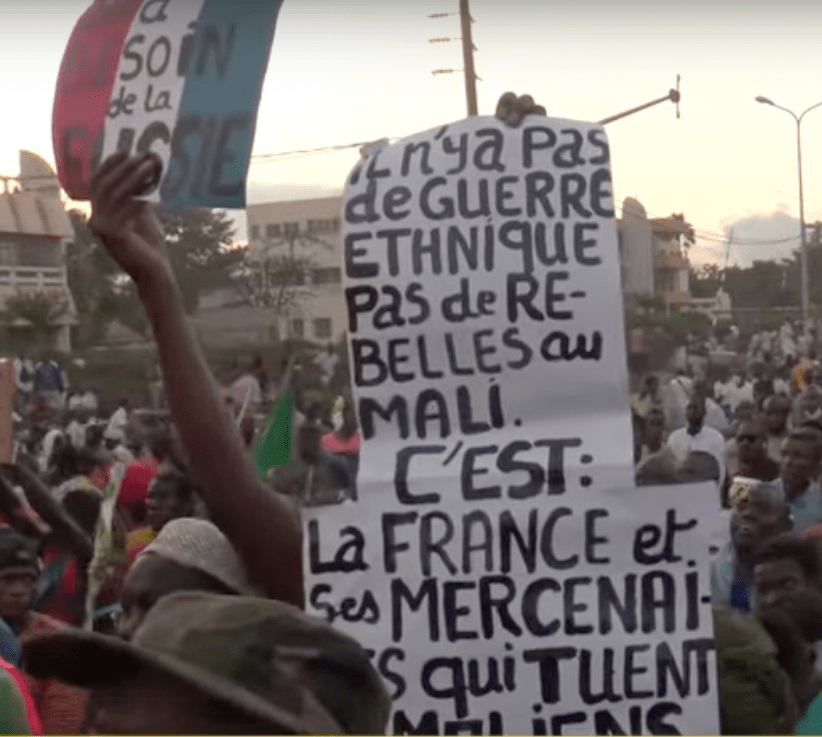
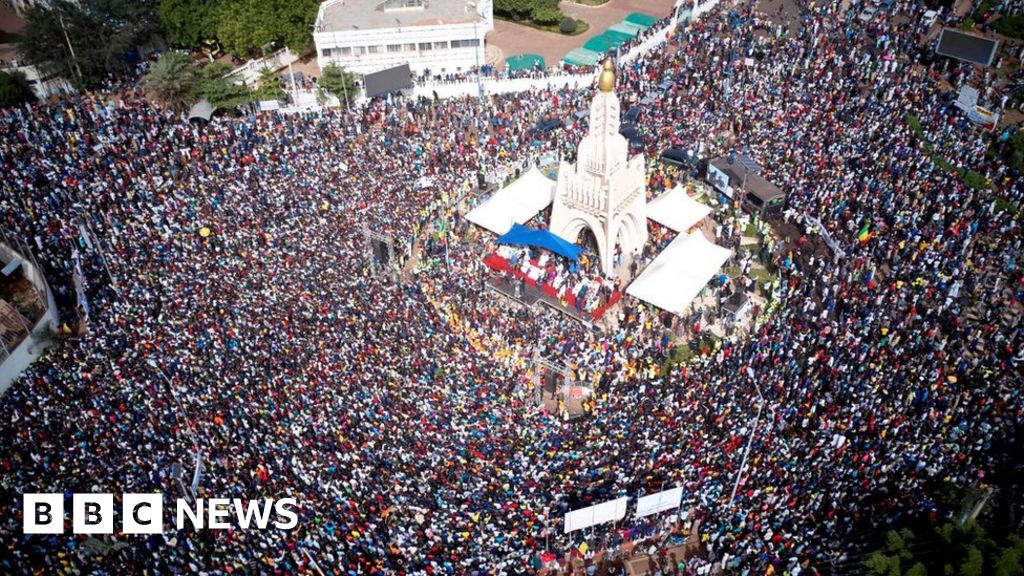
I was most curious about issues like migration and marriage–particularly polygamy in its modern urban form–so that’s what I studied and wrote about. But the Bamakois I knew didn’t often share these priorities. During preliminary fieldwork in 2010, a university student participating in one focus group discussion about marriage challenged me: Weren’t there, he asked pointedly, more important issues to study in Bamako–bad governance, corruption, the dysfunctional education system? I didn’t think about it much at the time, but that young man’s question haunted me a year and a half later when the very problems he named helped bring Mali to the brink of collapse, where it remains today. I began wishing that my research had been more oriented toward problems that people in Bamako cared about.
There’s no shortage of worthwhile issues to study in Mali’s biggest city, from river pollution to water consumption, from waste management to land tenure. The challenge will be to come to a research project through the collaborative, participatory approach sketched out above. This is the challenge I have set for myself in the months and years ahead.
My first step will be to write a version of this post in French and share it with my Malian colleagues. If you’re interested in joining such a collaboration, please reach out to me.
[The cartoon above is taken from a 2015 document entitled “Action Research for Sustainability.”]







 Bridges from Bamako